From the Alps to the underground, gorpcore’s grip on fashion isn’t loosening. Once considered a passing fashion phase, gorpcore has settled firmly into the cultural landscape. For outdoor brands, it’s an opportunity too significant to ignore.
Search interest remains high, with nearly 10,000 monthly searches for ‘gorpcore’ as of November 2025. And they’re doing more than just browsing.
Consumers are drawn to gorpcore for its blend of utilitarian designs (hello, recession indicator), technical capability and varied price points – a space that legacy outdoor names are best positioned to dominate.
As luxury labels join this wave, established outdoor brands are reassessing their approach to media relations, partnerships and brand positioning, deciding how to balance fashion and lifestyle without losing their outdoor roots.
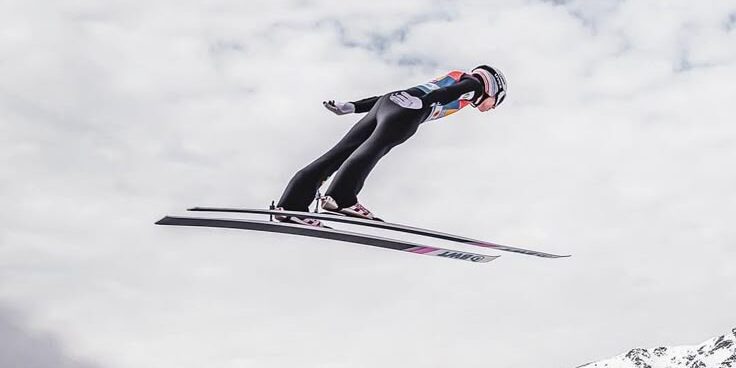
While some brands have leaned in, Mammut has doubled down on their anti-gorpcore attitude yet still capitalised on its search interest with the satirical mountainwear rescue campaign, reminding audiences it’s “Not a streetwear brand. Never have been. Never will be.”
What does is gorpcore and how did it evolve?
Gorpcore is a term coined by writer Jason Chen in 2017, taking its name from ‘Good Ol’ Raisins and Peanuts’, the trail snack loved by hikers.
It’s a fashion style characterised by its durable and practical features for outdoor activities, using layering, earthy colour palettes and fabrics like Gore-Tex and nylon to create an aesthetic.
The style was popularised in the late 2010s when artists like Frank Ocean began sporting Arc’teryx and Mammut in urban environments. Luxury collaborations followed including Gucci with The North Face, and the look was quickly more suited for Soho House than a mountain peak.
How can brands capitalise on the gorpcore trend?
Gorpcore doesn’t look like it’s going anywhere. With its comfort and durability, it’s a look that continues to define wardrobes.
The garments are designed for the Alps, yet they are equally at home in a Notting Hill coffee shop. Some brands hesitate to embrace the crossover; wary it might dilute their credibility.
Nike responded directly to the trend by introducing the Nike ACG range (All Conditions Gear). Their Guide to Peace on Earth campaign encouraged customers to reconnect with nature, and disconnect from their screens. An effective campaign keeping Nike relevant in both the outdoor and urban clothing landscapes.
Strategic influencer partnerships can be powerful when marketing this dual capability. Apparel can be positioned in a fashionable way while using smaller community-based creators and athletes to present its real outdoor capability.
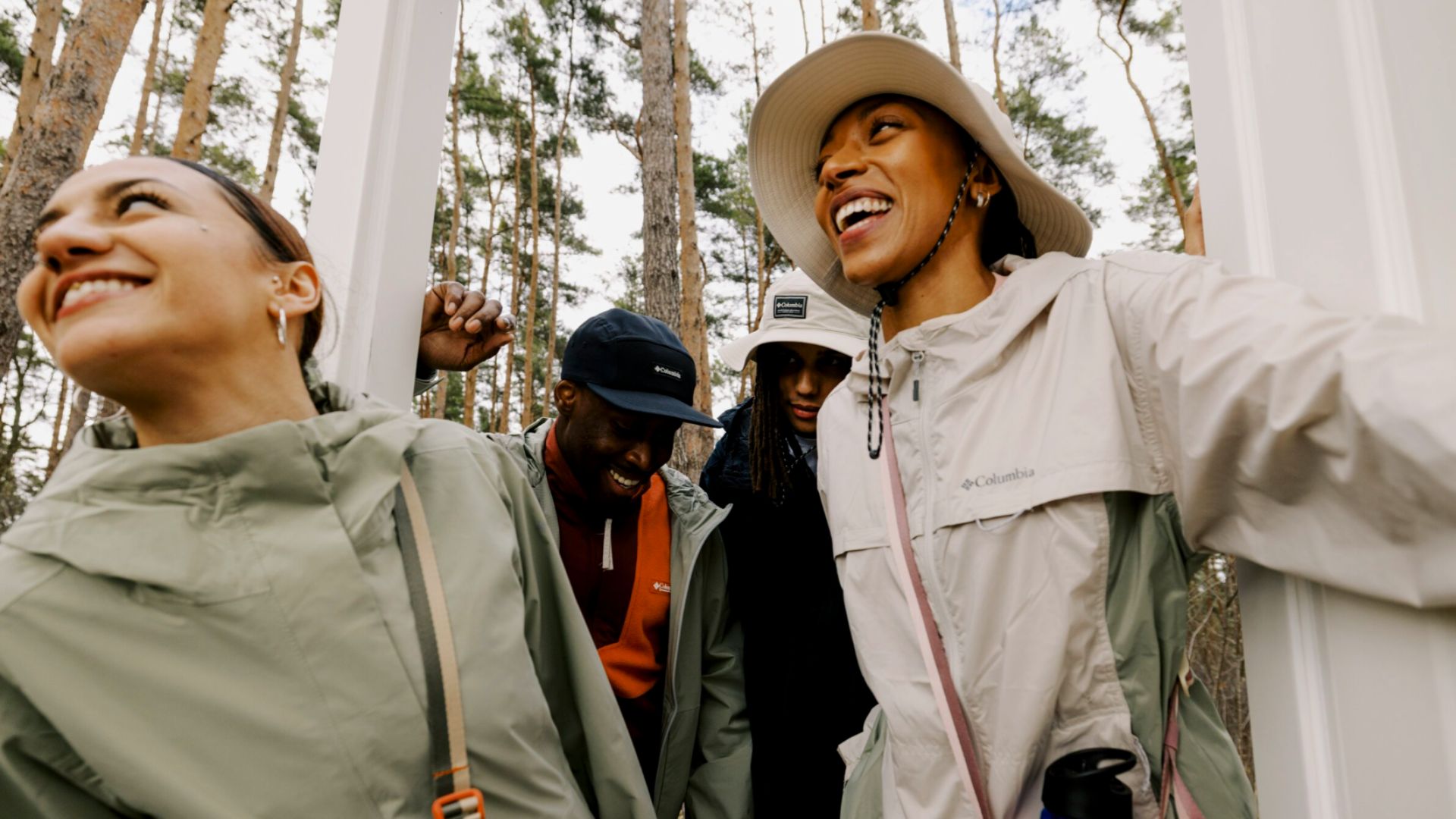
Columbia’s Hike Society campaign with Brandnation turned digital interest into community action. Hosting free influencer-led hiking groups in the community that embody the brand’s outdoor ethos. Experimental sports PR events like HikeFest bridge aesthetic appeal with technical capability.
There should be an awareness among outdoor brands that trend fatigue is common. Oversaturation risks dulling the appeal, brands must monitor cultural shifts closely to stay ahead of the game.
Not every brand will choose to embrace Gorpcore – and that’s fine. Many brands will double down on their roots and performance, prioritising longevity over trend.
Even companies outside the trends can use it to their gain, using Gorpcore’s cultural momentum to highlight their own authenticity
As Mammut humorously put it, their “gear is logging more hours in coffee shops than on crags. And its hardest task is navigating the queue for a matcha latte, instead of the route for an epic climb”. A quote that captures the irony and opportunity of the trend. It creates exposure, reach and relevance useful to a host of brands.
Ultimately, Gorpcore’s presence in the streetwear domain keeps outdoor brands in the social spotlight, whether they choose to embrace it or not.

About the author
Natalie Clement | Digital
Marketing Executive
With international experience as a digital marketer, writer, and editor, Natalie has worked across sectors including lifestyle, technology, and tourism.