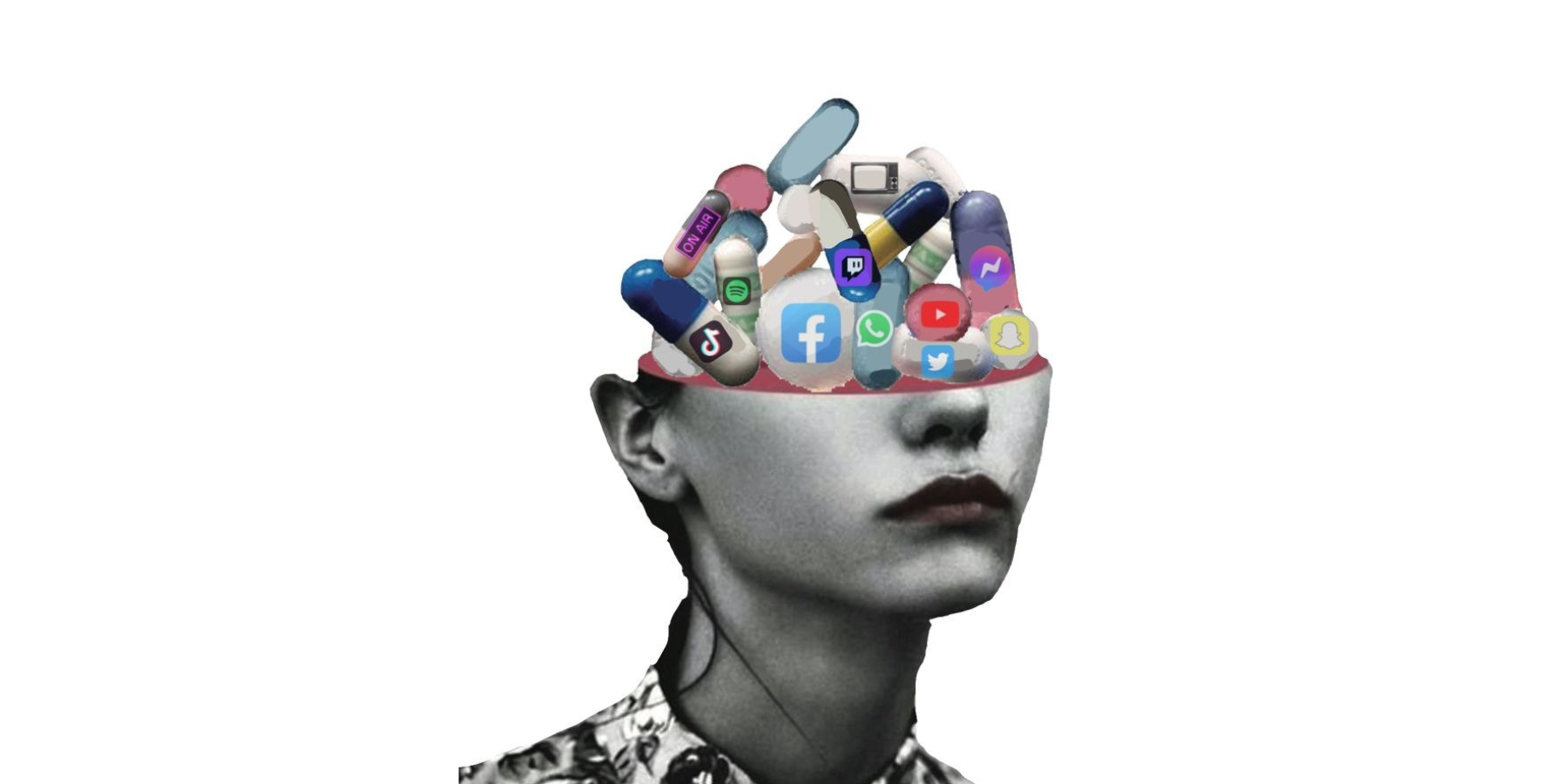
A large audience on one platform can look like security. It can also be one algorithm change away from becoming a problem.
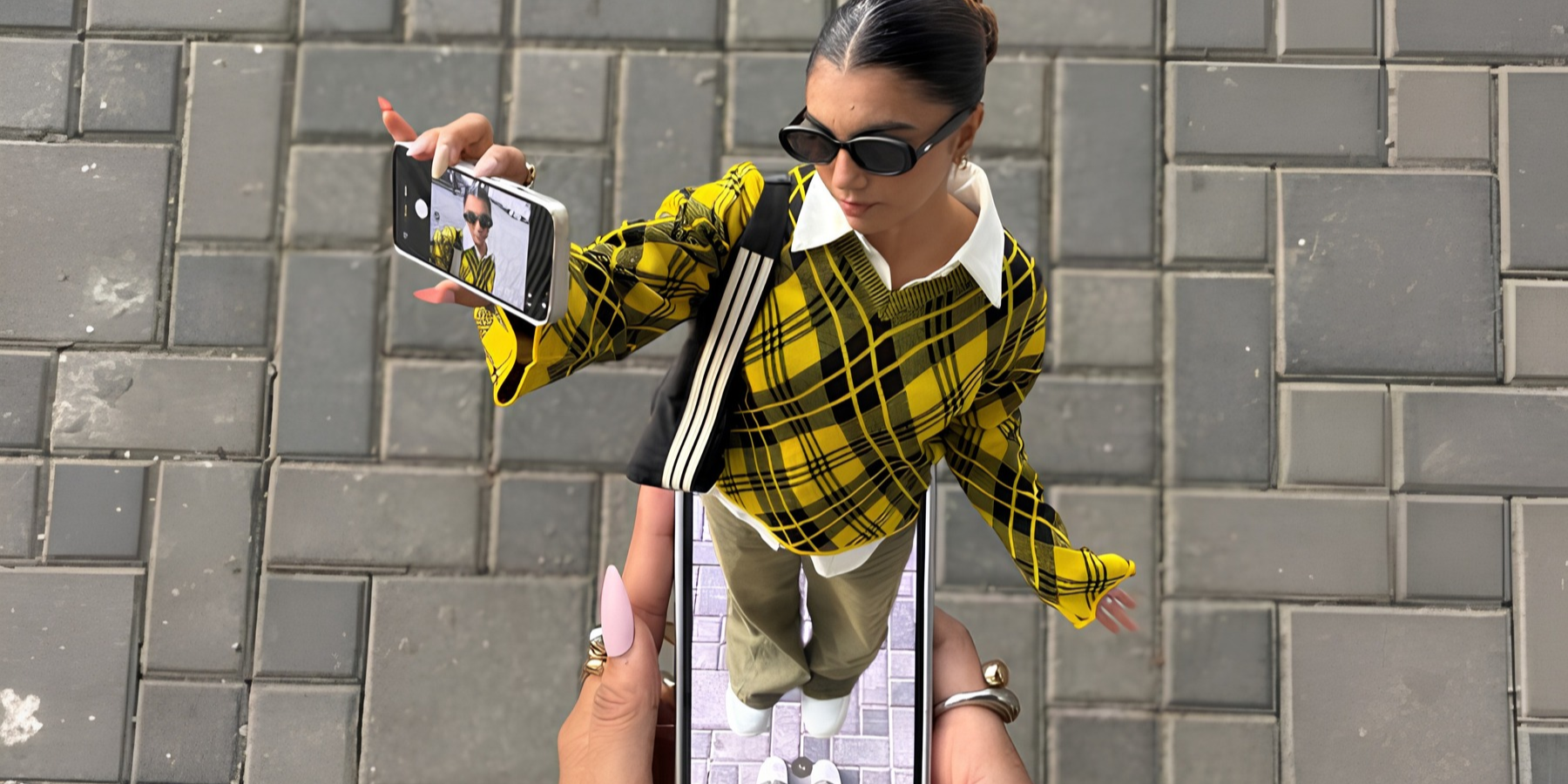
Creators understand this increasingly well, and they are actively developing owned audiences.
Single platform risk is no longer only a creator problem. When a brand pays for access to a creator’s audience, it is also buying into the infrastructure that sits underneath that audience. The stronger creators are treating that infrastructure like a portfolio rather than placing the whole business in one feed.
Key takeaways
- Creator platform diversification is shifting from a growth tactic to a form of business resilience.
- A creator who depends on one platform remains exposed to algorithm changes, product decisions and changes to monetisation.
- Posting the same content across several apps is distribution, not necessarily diversification.
- Owned audience creators build more direct relationships through newsletters, memberships, communities and events.
- Brands should assess audience portability and channel resilience when selecting and contracting creators.
- Diversification can fail when creators spread themselves too thinly or treat every platform as interchangeable.
Why is single platform dependency a risk?
Creators can own the content they make without owning the route through which most people see it.
A creator may spend years building a following, but the platform still controls recommendation, discovery, product features and often monetisation. A change to any of those can affect reach quickly.
The evidence shows the shift clearly: nearly three quarters of creators surveyed are actively developing owned audiences.
The smartest creators are not abandoning social platforms. They are making sure the relationship with their audience can survive outside one of them.
About the author
Simarin Tandon | Junior Digital Account Director
Having worked with brands across the Beauty & Wellness, FMCG, FinTech, and Home & Lifestyle sectors, Simarin focuses on driving acquisition and growth, whilst managing the Digital team at brandnation.
A curious marketer, Simarin’s finger is always on the pulse when it comes to performance and digital updates across both paid and organic platforms.
What does creator platform diversification actually look like?
Being active on TikTok, Instagram and YouTube is a start. It is not the whole strategy.
Real diversification gives different channels different jobs.
TikTok might drive discovery. YouTube might support longer form storytelling. A newsletter, membership or private community can provide more direct access. Events and products can diversify income as well as attention.
This is what separates creator platform diversification from simple cross posting.
The strongest portfolio has several routes into the same creator world, not the same asset uploaded five times.
What makes an owned audience different?
An owned audience gives the creator a more direct relationship with the people who have chosen to hear from them.
Email lists, membership platforms, private communities and ticketed events all create versions of this relationship. The creator can communicate more deliberately and is less exposed to one platform changing how distribution works.
Research also found that 37% of creators prioritise deep loyalty and engagement with a smaller audience, compared with 33% who prioritise reaching the widest possible audience.
Why should brands care about creator resilience?
Because platform volatility creates the same risk for brands.
If a campaign depends entirely on one platform and that platform changes, the partnership becomes less flexible overnight. If the creator has meaningful audiences elsewhere, there are more ways to adapt.
Alongside demographics, content quality and brand fit, ask where else the creator has genuine attention. Is their newsletter active? Does their community participate? Does their audience follow them into longer form content? Could the partnership move into another channel if the original plan stopped making sense?
A creator with several healthy audience relationships may be commercially stronger than somebody with a larger headline following and nowhere else to go.
How should creator contracts change?
Contracts should plan for flexibility.
Define the primary platform, then agree what happens if delivery is materially affected by a platform issue. Set out content usage rights clearly. Decide whether paid amplification is included. Where relevant, agree alternative formats or channels in advance rather than negotiating them after something changes.
For longer partnerships, a creator who can support social, events, newsletters or community activity gives the relationship more room to develop.
What happens when diversification is done badly?
More platforms can create more risk if the creator is stretched across all of them.
Posting everywhere without a clear role for each channel can dilute quality, increase workload and make the creator less distinctive. Chasing every new app can do the same.
A portfolio only works when each part earns its place.
The aim is not maximum presence. It is reducing algorithm dependency in influencer marketing without losing the voice and quality that built the audience in the first place.
What does this mean for 2027 planning?
For brands planning 2027 creator partnerships, resilience should become part of the selection process.
Look at the audience behind the follower count. Look at where that audience can move. Look at how the creator communicates directly and whether their business still works when one channel has a bad month.
The best creator may not be everywhere.
They should simply be strong enough that one platform does not decide everything.
FAQs
It is the process of building meaningful audience and revenue channels across more than one platform so the creator is less dependent on a single algorithm or business model.
Not always. Cross posting increases distribution, but genuine diversification gives channels distinct roles and often includes direct audience channels such as newsletters, memberships or communities.
A partnership becomes more vulnerable when all creator audience access depends on one platform. Diversified creators can offer more flexibility when reach, features or platform conditions change.