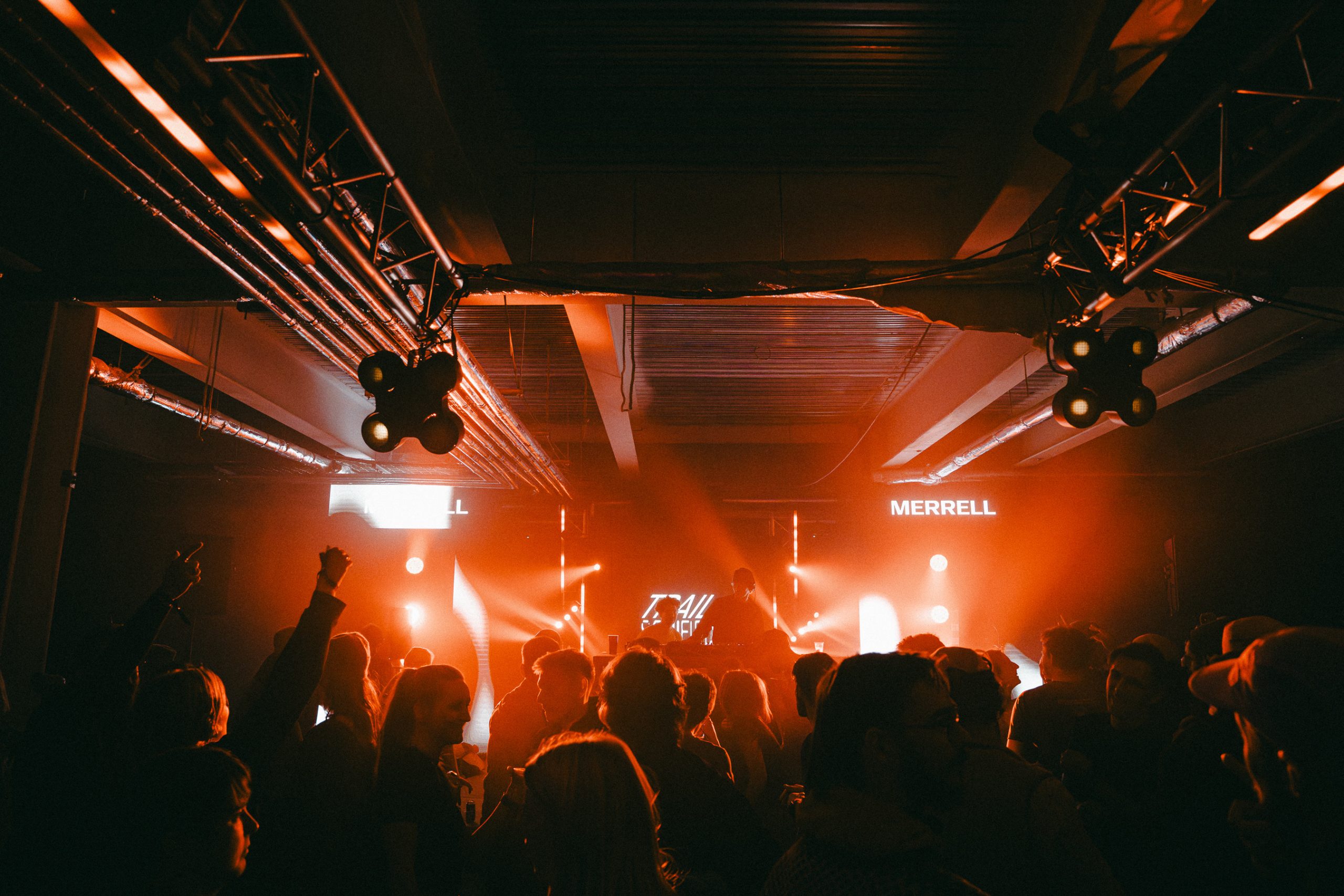
A pivotal shift has taken place.
It wasn’t gradual, it was seismic. The pandemic marked a turning point, and when the world reopened, consumer behaviour didn’t snap back to its pre-pandemic state. Instead of returning to the familiar ritual of simply buying things, people turned their focus to doing things. They craved connection. They sought experiences they could feel, share, and remember. The demand for experience exploded. And brands? They’re still catching up.
What Is the Experience Economy - and Why Now?
Though the experience economy isn’t a new concept (Pine and Gilmore introduced it back in 1999), the current landscape is uniquely shaped by the events of the last few years. Two powerful forces are colliding, creating a landscape that demands immediate attention from brands.
First, we have a cultural shift. After years of isolation, lockdowns, and digital saturation, consumers are craving real-world connection. Live events, physical spaces, and moments that can’t be replicated through a screen are increasingly in demand. A recent study shows that 56% of consumers are planning to attend more events in 2025 than the year before. The appetite for connection is unmistakable and growing.
Second, there’s the commercial shift. Traditional advertising has lost its trust factor. Consumers are more discerning than ever, conducting their own research before making a purchase. They are increasingly looking beyond the flashy ad copy, questioning whether a brand can truly deliver on its promises. In 2026, it’s clear: experience is more engaging, and more credible, than any traditional advertisement. Brands are now facing an environment where experiential marketing is the key to earning consumer loyalty and trust.
From Products to Moments: A New Design Brief
The brands leading the charge in the experience economy aren’t just focusing on their products. They’re designing entire moments around them.
This shift marks a profound transformation in brand experience. Products are tangible items that consumers own, but moments are experiences they live. Pop-up activations, immersive retail spaces, and branded cultural events are no longer seen as mere promotional tactics; they’re fully-realized brand worlds where every detail is designed with intention. Here, the product is a central piece of a much richer story.
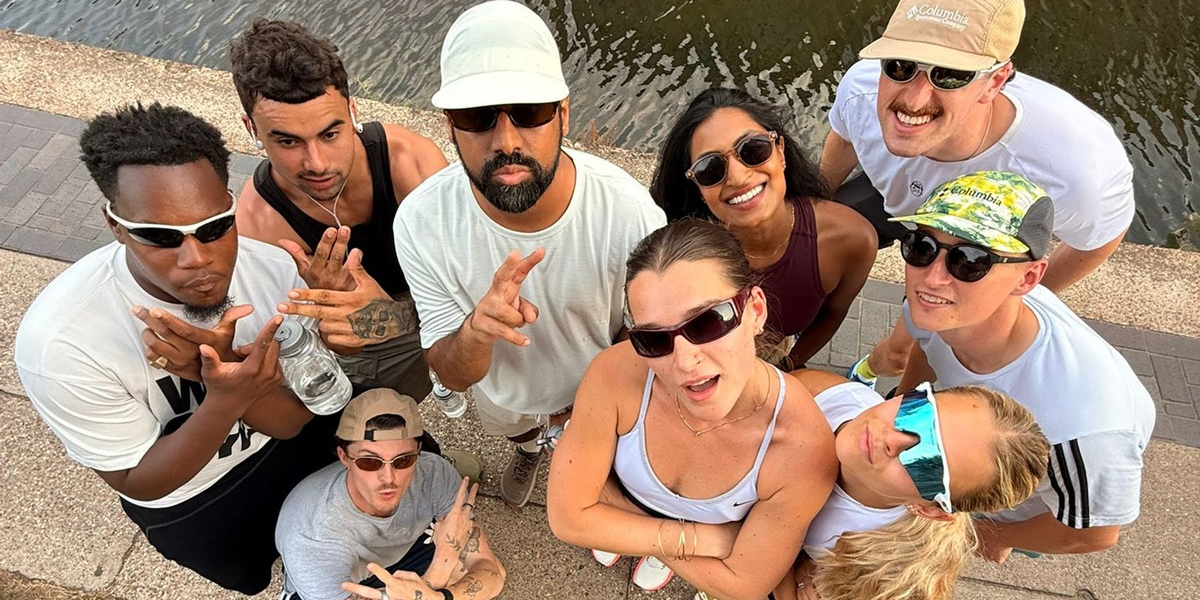
Think about how this plays out at scale. Take a beauty brand. Instead of simply launching a product, it creates a multi-sensory, visually captivating installation that immerses visitors in its world long before they even open the box. A sportswear brand doesn’t just sponsor a run; it engineers an event that feels like a cultural moment, powered by community, amplified by creators, and meticulously designed from start to finish to change how people feel about the brand. The event itself becomes the campaign.
This isn’t just creativity for creativity’s sake. In fact, nine out of ten consumers say they’re more inclined to purchase from a brand after engaging with its experiential marketing efforts. Experience becomes the mechanism that drives conversion.
The Role of Social and Shareability: The Amplified Audience
Every brand needs to answer one key question before launching an activation: How does this experience travel?
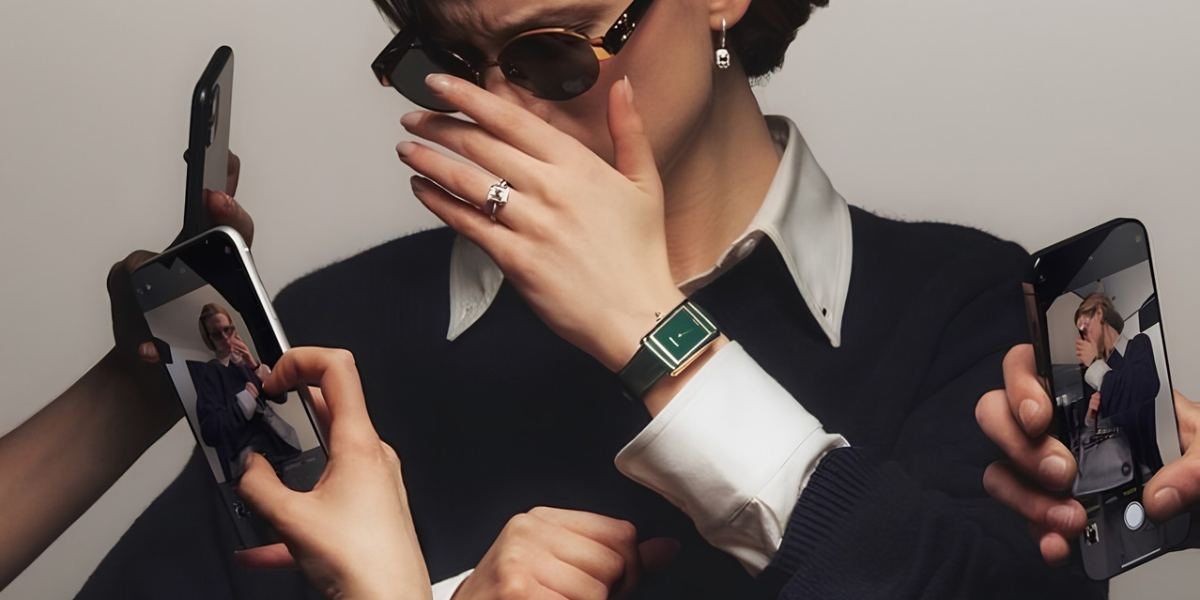
Because the audience in the room is only part of the equation. Every activation that earns shares, stories, reels, or media coverage creates a second, often much larger, audience. Live events meet digital, physical meets shareable, and the impact multiplies.
This isn’t a happy accident; it’s by design. The most effective immersive brand experiences are built with social sharing in mind, not as an afterthought but as an essential part of the creative brief. Content is crafted for amplification, and influencer or creator integration is considered from the very beginning. Short-form video currently delivers the highest ROI of any content format, and the brands leading the pack aren’t the ones with the biggest budgets. They’re the ones who’ve crafted something worth filming.
The shareability question is not just about social media. It’s about the creativity itself. Would someone want to capture this moment? If not, it’s time to rethink the concept.
Experience as a Retention Strategy: Beyond the Moment
Experiential marketing is often seen as a way to attract new audiences, boost brand awareness, and create a buzz, and while that’s true, its potential for fostering long-term customer loyalty is even more compelling.
When a consumer has a genuine, memorable experience with a brand, a moment that they feel, their relationship with that brand shifts. This emotional connection is far stronger than any loyalty program or discount. It’s harder to dissolve, and it stays with them long after the event. It leads to the kind of advocacy that no media spend can replicate. Brands that invest in experience-driven marketing see three times the word-of-mouth awareness compared to those that don’t.
The most forward-thinking brands aren’t just hosting one-off activations. They’re building ongoing experiential programs, members-only events, exclusive previews, communities united by shared experiences. This strategy is grounded in the same logic as the subscription economy: belonging drives retention more than mere benefits. When a consumer becomes part of your brand world, they’re not comparing you to competitors based on product specs. They’re protecting something they’ve come to feel connected to.
This is a deeper kind of loyalty, and it’s born in rooms, not inboxes.
Blending Physical and Digital: Hybrid Activation
In the world of experiential marketing, the future is hybrid. It’s not about choosing between physical and digital; it’s about combining the two in a deliberate, strategic way.
Hybrid activations, live events enhanced by digital amplification, are fast becoming the industry standard. Think AR overlays that add magic to a physical space, live-streamed events that bring global audiences into intimate settings, or VR environments that let remote attendees experience the event firsthand. Technology is advancing rapidly, but the goal remains clear: reach, relevance, and the second audience.
The question isn’t whether or not to go hybrid. In 2026, the question is how far will this experience travel, and have we designed it to go the distance?
Community-Led Experiences: Building Belonging
The most resilient brand experiences are not those that are simply delivered to consumers; they’re the ones that brands build with them.
Community-driven experiences represent the future of brand-building. Consumers don’t want to just be passive participants; they want to be co-creators, contributing to the cultural narrative around a brand. When consumers help shape a brand’s identity, the relationship is fundamentally different. It’s not just about a transaction; it’s about ownership and shared values.
Brands like LEGO have long understood this, empowering fans to co-create products, vote on designs, and shape the brand’s creative direction. This isn’t just community-building; it’s creating a group of people who feel a sense of ownership, making it almost unthinkable to switch to a competitor.
The message for brands is clear: Experience strategy and community strategy must live together. When they do, the impact compounds.
Measuring the Value of Experience: Beyond Applause
Here’s the challenge that many brands face: experiences are difficult to measure in the same way as paid media campaigns.
Yet, those that succeed in this space define success from the outset. They set clear KPIs that encompass everything from engagement metrics to post-event shifts in brand perception. The best brands are measuring not just footfall and social reach, but the impact of their experiences on consumer behaviour and loyalty.
Experiential ROI is layered. It can be seen in the leads generated on-site, the media coverage earned the following day, the social content circulating weeks later, and the shifts in brand preference that happen quietly in the background. It’s about capturing value over time, not just in the immediate aftermath.
The brands that measure well and learn from the data are the ones that will keep improving, and winning.
What This Means for Brands
The experience economy has matured. It’s no longer a trend to watch, it’s a strategic imperative. The brands that will lead the next decade are the ones treating experiential marketing as a core pillar of their strategy, not a secondary concern.
In 2026, brands are not just products on shelves or logos on feeds. They are defined by the moments they create, the communities they build, and the experiences their customers carry with them long after the event ends.
So, build accordingly.

About the author
Simarin Tandon | Junior Digital Account Director
Having worked with brands across the Beauty & Wellness, FMCG, FinTech, and Home & Lifestyle sectors, Simarin focuses on driving acquisition and growth, whilst managing the Digital team at brandnation.
A curious marketer, Simarin’s finger is always on the pulse when it comes to performance and digital updates across both paid and organic platforms.