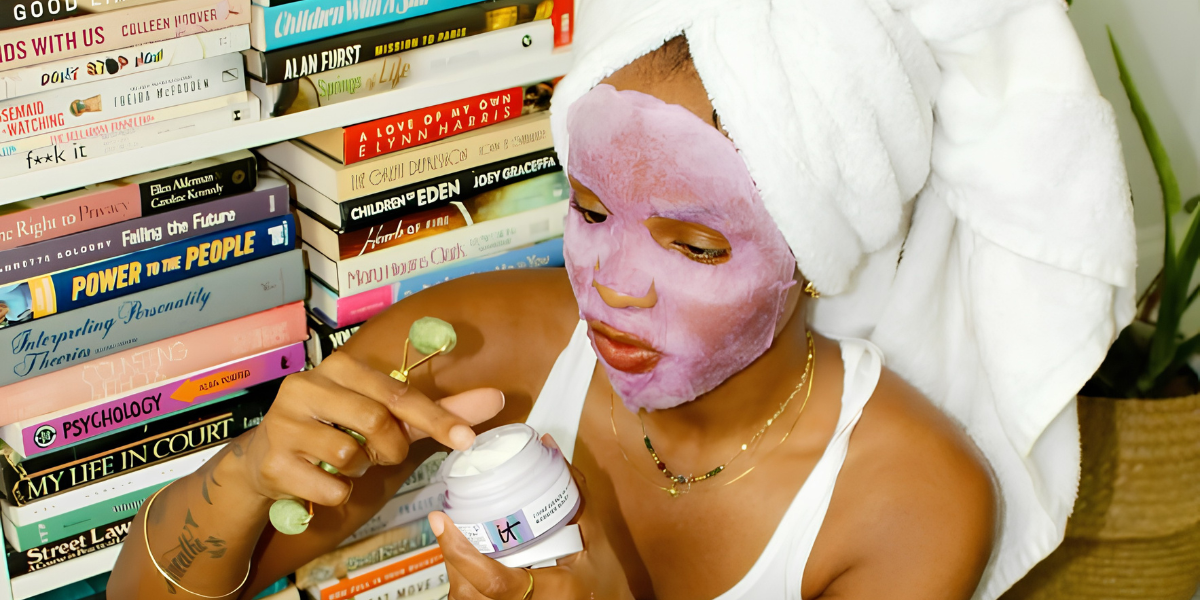
The beauty industry has always been fast-moving. But over the past decade, something bigger has shifted. Technology that was once reserved for dermatology clinics and high-end spas has made its way into our bathrooms, and consumers are genuinely here for it.
From LED light therapy masks to microcurrent devices, at-home beauty tech has gone from curiosity to cornerstone. So, what’s driving it, and where is it heading?
What’s emerging right now
The next generation of at-home treatments is more targeted, more clinically credible, and expanding into territory that consumer products had no business reaching a few years ago.
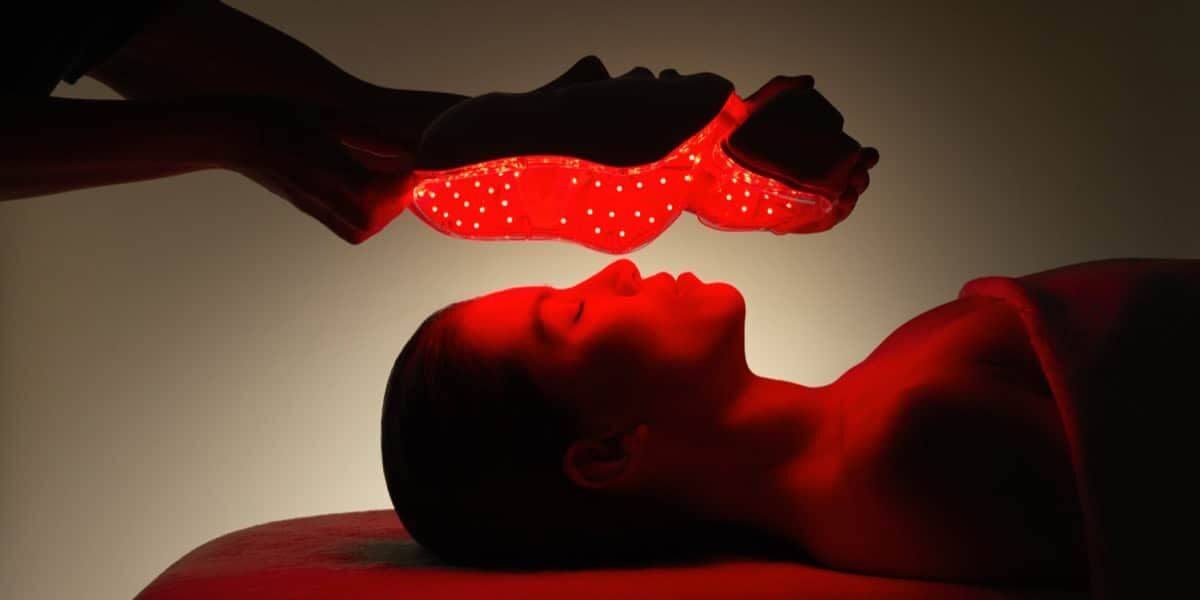
Dermalux has led the charge on bringing medical-grade LED technology into everyday routines. Its Flex MD, originally developed to clinic standards, has made the transition into home settings as a certified medical device, offering multi-wavelength protocols across blue, red, and near-infrared light that target everything from collagen stimulation to inflammation reduction. Radiofrequency devices, once reserved for aesthetic clinics, are now available for home use through brands including TriPollar and NuFace, delivering controlled heat into deeper skin layers to stimulate collagen remodelling with measurable firming results over consistent use.
At-home microneedling has also moved beyond the basic dermaroller. New multi-function devices are combining microcurrent, microneedling, and LED in a single tool, allowing consumers to build clinic-equivalent protocols without the clinic price tag.
Scalp health has also become a category in its own right. Low-level laser therapy caps and scalp microneedling devices are gaining serious ground with consumers who want evidence-based solutions to hair thinning, not just topical products with optimistic packaging.
The dark side: when optimisation goes too far
It wouldn’t be a complete picture without addressing looksmaxxing. The trend, which took hold on TikTok and YouTube, centres on the relentless pursuit of physical self-improvement, often pushed to extreme lengths. For some, it’s a gateway into skincare education. For others, particularly younger men and teenagers, it has tipped into something more troubling, feeding obsessive behaviours and deeply unrealistic beauty standards.
At-home treatments sit right at the heart of this. The accessibility of beauty tech is largely a positive thing, but the pressure to constantly optimise your appearance is something the industry needs to take seriously. Brands that market devices through the lens of fixing flaws have a responsibility to think carefully about who is on the receiving end of that message.
The shift towards well-ageing
Here’s where things get more interesting. The conversation around beauty tech has started to move away from anti-ageing towards something altogether more positive: well-ageing.
Consumers are less focused on reversing the clock and more interested in keeping their skin healthy, functional, and resilient over time. Devices built around red light therapy for cellular repair, lymphatic drainage, and long-term skin barrier support are all having a moment, and it is directly connected to the broader wellness and longevity movement taking hold across health and beauty.
Sarah Hugill, Head of PR at Brandnation, sees this as a significant shift for beauty brands to tap into. “The well-ageing trend is a real opportunity for beauty tech brands to reframe their positioning. Consumers want to feel good in their skin for longer, not just look younger. The brands winning in this space are the ones speaking to health outcomes and long-term results, not quick fixes.”
AI-powered personalisation: the next big thing
If well-ageing is the mindset driving demand, AI is the technology making it truly personal.
Skin diagnostic tools powered by AI can now analyse your skin condition, track changes over time, and recommend tailored treatment protocols at home. What once required a dermatologist visit is increasingly possible through an app. Connected devices that sync with your phone, adapt recommendations based on seasonal changes, and track treatment frequency are already entering the market, and the pace of innovation is only accelerating.
For beauty brands, this opens up a genuinely exciting space. The opportunity to deliver truly personalised skincare at scale, driven by data and powered by smart devices, is something the industry has been building towards for years.
What this means for brands
At-home beauty tech is one of the most dynamic categories in the industry right now. Consumers are informed, engaged, and willing to invest. What they want in return is transparency, real results, and brands that speak to their goals rather than their insecurities.
The brands that will build lasting loyalty here are the ones that combine efficacy with responsibility, and that use technology as a tool for empowerment. Get that balance right, and the opportunity is significant.
Looking to position your beauty brand at the forefront of beauty tech, wellness and innovation?
Brandnation creates integrated PR, influencer and social campaigns that drive cultural relevance and consumer demand. Get in touch to learn more.

About the author
Simarin Tandon | Junior Digital Account Director
Having worked with brands across the Beauty & Wellness, FMCG, FinTech, and Home & Lifestyle sectors, Simarin focuses on driving acquisition and growth, whilst managing the Digital team at brandnation.
A curious marketer, Simarin’s finger is always on the pulse when it comes to performance and digital updates across both paid and organic platforms.